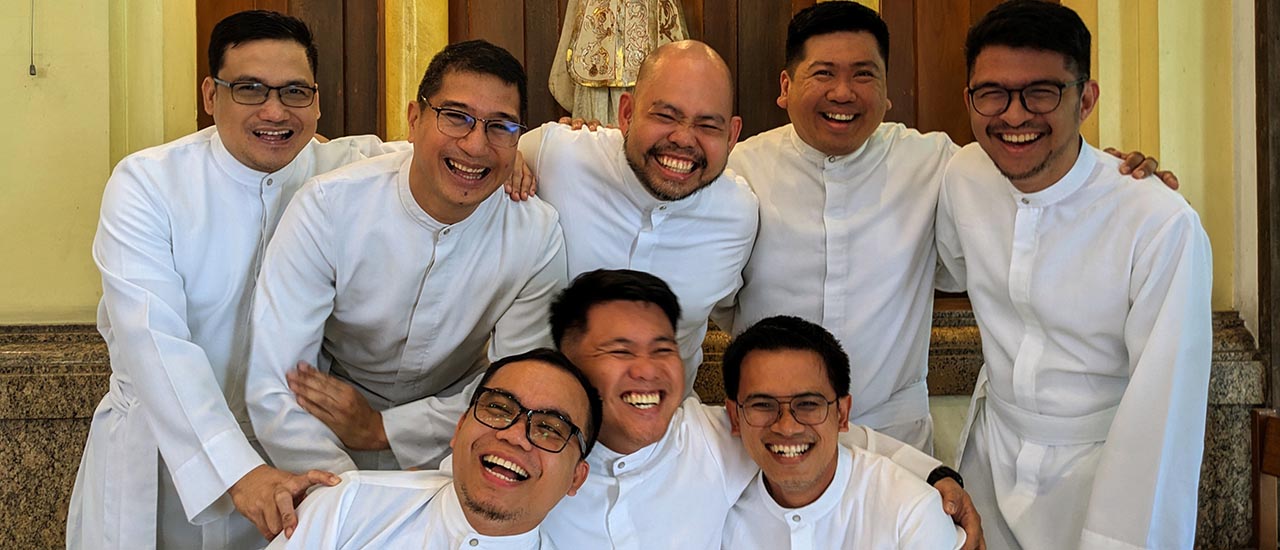
Responding to God’s Call

#JointheJesuits

VOCATION INQUIRY

Considering a Vocation?

In these fast-changing and sometimes tough times, I feel a deep need to reach out to young people like you, who are thoughtfully considering your future and spiritual journey. As a Jesuit, I have been blessed to experience a profound journey of conversion and an ongoing call to live authentically, all grounded in God’s unconditional love and the mission of the Church. Today, I want to share some thoughts and experiences that might resonate with your own search for meaning and purpose.

read more

Our Life-Mission

A Jesuit belongs to a group of companions that bears the name “Jesus”. The focal point of his entire life is to be with Jesus poor and humble. The Formula of the Institute approved by Pope Paul III in 1540 (Regimini Militantis Ecclesiae), subsequently revised and confirmed by Pope Julius III in 1550 (Exposcit Debitum), declares, “let any such person (who wish to be in the company of Jesus) take care, as long as he lives, first of all to keep before his eyes God and then the nature of this Institute which is, so to speak, a pathway to God…”.

read more

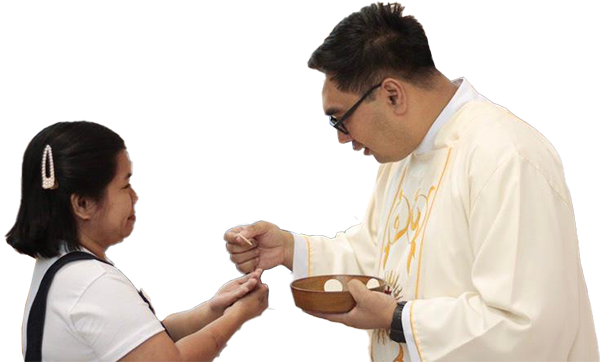
Jesuit Priests

Men called to ordained ministry, these men respond to the call of serving God through pastoral ministry and the celebration of the sacraments.
Read More

Jesuit Brothers

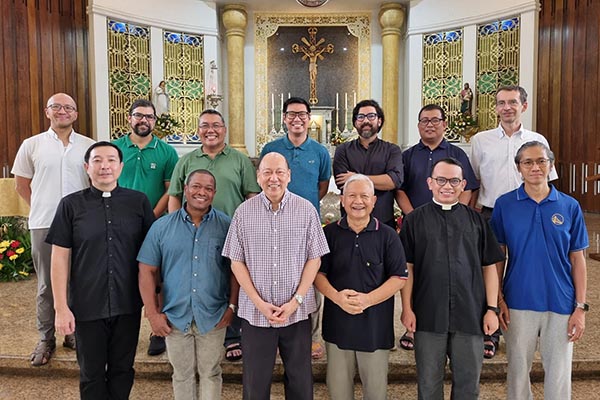
The Jesuit brother responds to a valuable personal vocation in a Society whose members are all “friends in the Lord,” within the broader call to be a companion of Jesus

Learn more
THEOLOGY

Tertianship

After some years of active full-time ministry, the Jesuit undergoes a final formal program of formation called tertianship. For around six months, tertianship helps the Jesuit arrive at a synthesis of spiritual, apostolic, and intellectual or technical formation, in view of his personal integration in the Society. It does this by returning the Jesuit to some key experiences of the novitiate—the thirty-day retreat, the study of foundational texts of the Society, and certain apostolic and immersive experiences—but now with the insight of years of living out the Jesuit vocation.

While tertianship marks the end of formal formation, the Jesuit engages in ongoing formation for the rest of his life in ministry, always seeking to become an effective instrument of Christ in his Church. At some point during ministry, the Jesuit is called by the Society to pronounce final vows as a definitive confirmation of the call he first heard and as a signal of his full incorporation into the Society.

Theology

After immersing in the work of regency, the Jesuit formand returns to studies. This time, he focuses on theology. Scholastics preparing for priesthood spend at least three years (culminating in ordination); brothers at least two. Here the Jesuit learns how to make faith-sense of life by drawing from the rich tradition and history of scriptures, Church teachings, thought, practices, and life. He meets anew the God-man who loves him and has called him to be his own, but now made known in God’s ways of meeting, moving, and molding the Church. As in First Studies, the formand grounds his intellectual pursuits on the experience of the apostolate, with an eye for sharing the joys, struggles, and hopes of the People of God, the mystical body of Christ.
First Studies

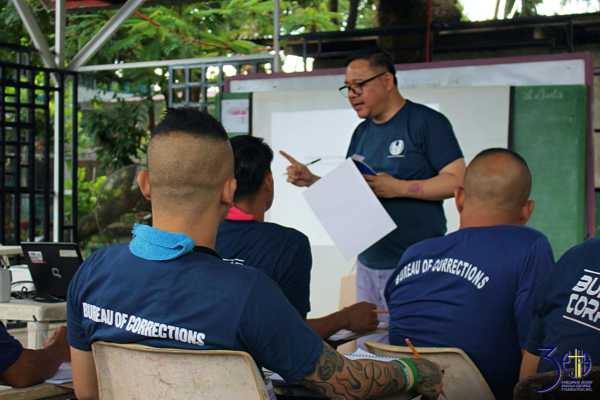
After pronouncing first vows, a Jesuit formand (or one who is in formation) moves into academic work either as a scholastic preparing for priesthood or as a brother preparing for full-time non-ordained ministry. He allows the rigors of sustained intellectual inquiry and critical thinking to hone his commitment to the work of evangelization. For around three years, he engages in language, culture, and philosophy to attain the ideals of eloquentia (effective communication) and sapientia (assimilated knowledge). Studies coupled with part-time involvement in ministry (referred to as his apostolate) and continued formation in the spiritual, affective, and community life further deepen his Jesuit identity.

Ministry

Whether as a newly ordained priest or as a brother who has completed basic formation, the Jesuit is finally missioned and inserted into the apostolic body of the Society. While only priests engage in ordained ministry (e.g., the sacraments), Jesuit priests and brothers are intimately involved in every apostolic task of the Society. Jesuits take on a wide variety of roles: as retreat and spiritual directors, chaplains, counselors, teachers, researchers, social activists, lawyers, doctors, artists, administrators, scientists, overseas missionaries … always sent where there is greater need, always laboring with God and with other workers in the vineyard.

Regency

With around five years of formation under his belt (spent in a formation community), the young Jesuit is sent on regency to be an active member of an apostolic Jesuit community. Now he gets a taste of what it means to be a contemplative-in-action. By dedicating himself for two years or so to the work assigned to him, he discovers how God can use his talents and gifts for the mission. He grows, too, in awareness and acceptance of his vulnerabilities. His heart expands with zeal for the Society’s life-mission, caring for both the ministry and those to whom he ministers. Through work and prayer, he deepens his appreciation of God laboring in the world and inviting him to labor with God.

Novitiate

The novitiate is the initial stage of Jesuit formation. For two years, it seeks to help the young Jesuit nurture the space where he can grow in his understanding of God, himself, and the Society of Jesus. Like a mother nursing her child, the Society guides the novice through experiences of community, ministry, and prayer, helping him cultivate a deep love for Jesus and His Church. He learns about Ignatian spirituality and the mission of the Society, and undergoes a transformative 30-day retreat. At the end of these two years, he pronounces perpetual first vows of poverty, chastity, and obedience, fully committing himself to the Jesuit mission.